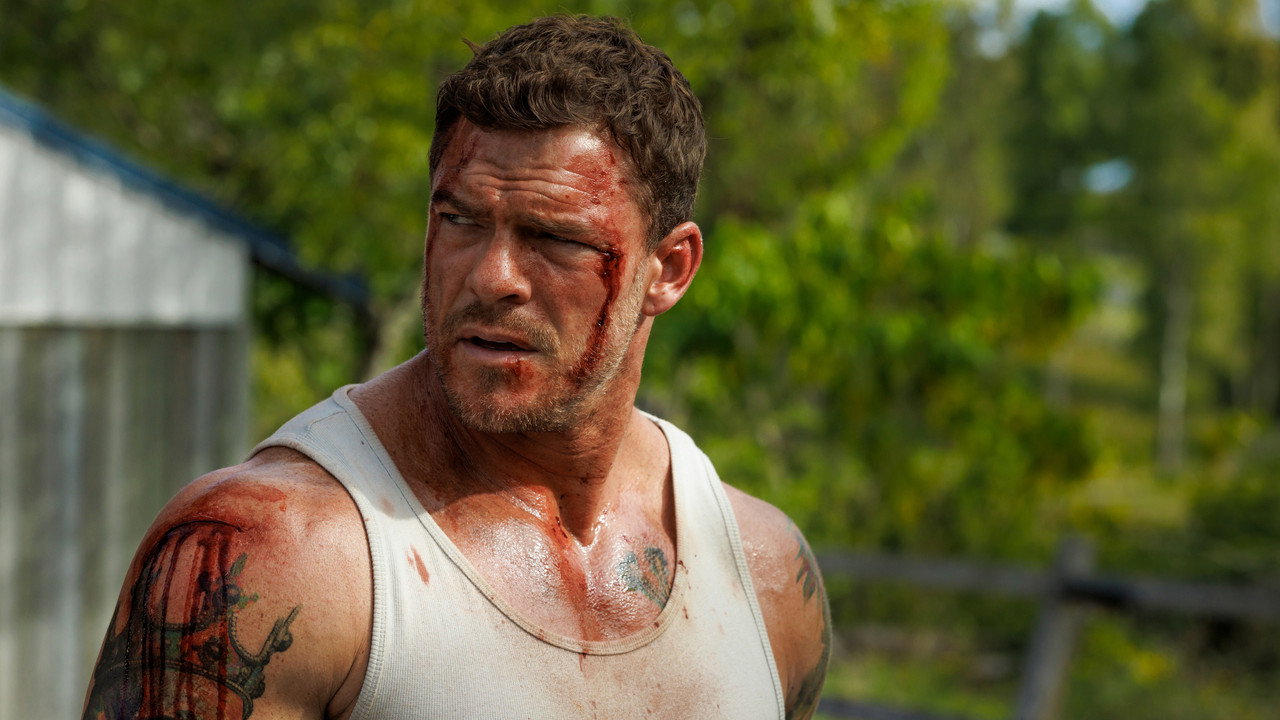
Alan Ritchson Is a Streaming King With a Box-Office Problem
Alan Ritchson can open a streaming series like few actors alive. Theaters, though, are proving to be a different battlefield. Runner, the action-comedy pairing Ritchson with Owen Wilson, opened to just $6.4 million from 2,568 theaters — a soft start on a reported $35-45 million budget that marks the star's second theatrical miss of 2026.
The film's domestic total sits around $13.8 million, and the trajectory tells the story: Runner lost roughly half of its theater count by its third week, a sign that exhibitors were cutting their losses fast. For a movie built around one of streaming's biggest action draws, the numbers are a genuine head-scratcher.
The Reviews Weren't the Problem
Here's what makes the Runner story strange: the movie is actually liked. Critics' scores landed at a warm 77 percent, with audience scores even higher at 90 percent — numbers that would normally signal healthy word of mouth and a long theatrical tail. The Ritchson-Wilson pairing delivered exactly what it promised: big physical comedy, genuine buddy-movie chemistry, and action sequences with real punch.
This is also Ritchson's second swing-and-miss of the year at the box office, following Motor City, which managed only about $3 million worldwide. Two data points don't make a trend, but they do raise a question Hollywood keeps asking about streaming-era stars: does a massive Prime Video audience actually translate into ticket sales?
The Streaming-Star Paradox
Ritchson's situation is the clearest current example of a new industry reality. As the face of Reacher — one of Prime Video's biggest originals — he reaches tens of millions of viewers who know him intimately. But those viewers have been trained to watch him at home, on a platform they already pay for, with zero marginal cost per viewing.
Converting that audience into $15-a-ticket customers requires a different kind of marketing alchemy, and Runner's campaign never quite cracked it. The film's premise was solid and its reviews were good, but in a crowded theatrical market, "solid and good" needs a hook — a must-see event quality — to pull streaming-comfortable audiences off the couch.
The silver lining: with 90 percent audience scores, Runner is built for a long streaming afterlife, where Ritchson's real kingdom lies. Theaters may be a problem. Everything else is going just fine.
The path forward for Ritchson theatrically likely runs through exactly this kind of material — mid-budget, star-driven, and genuinely entertaining — but with a marketing hook sharp enough to cut through. The talent is undeniable, the audience goodwill is real, and the reviews for Runner prove the movies themselves are working. What's missing is the alchemy that turns a good film into an unmissable event, and that's a puzzle the whole industry is still trying to solve.
🔥 Trending on Cine Movie

Crunchyroll Just Stuffed Its Fall 2026 Lineup With Nine More Anime
Crunchyroll announced on October 1 that nine more series are joining its Fall 2026 simulcast slate, with premieres rolling out from tonight through October 11.

Tougen Anki Season 2 Premieres Tonight — and It Already Has a Two-Cour Order

Black Clover's Spade Kingdom Raid Finally Begins Tomorrow After Five Years Away

Tokyo Revengers Season 4 Drops Today — 'Break Up' Starts the War of the Three Titans
